
The Largest Shopping Center in the Pacific NW in 1960
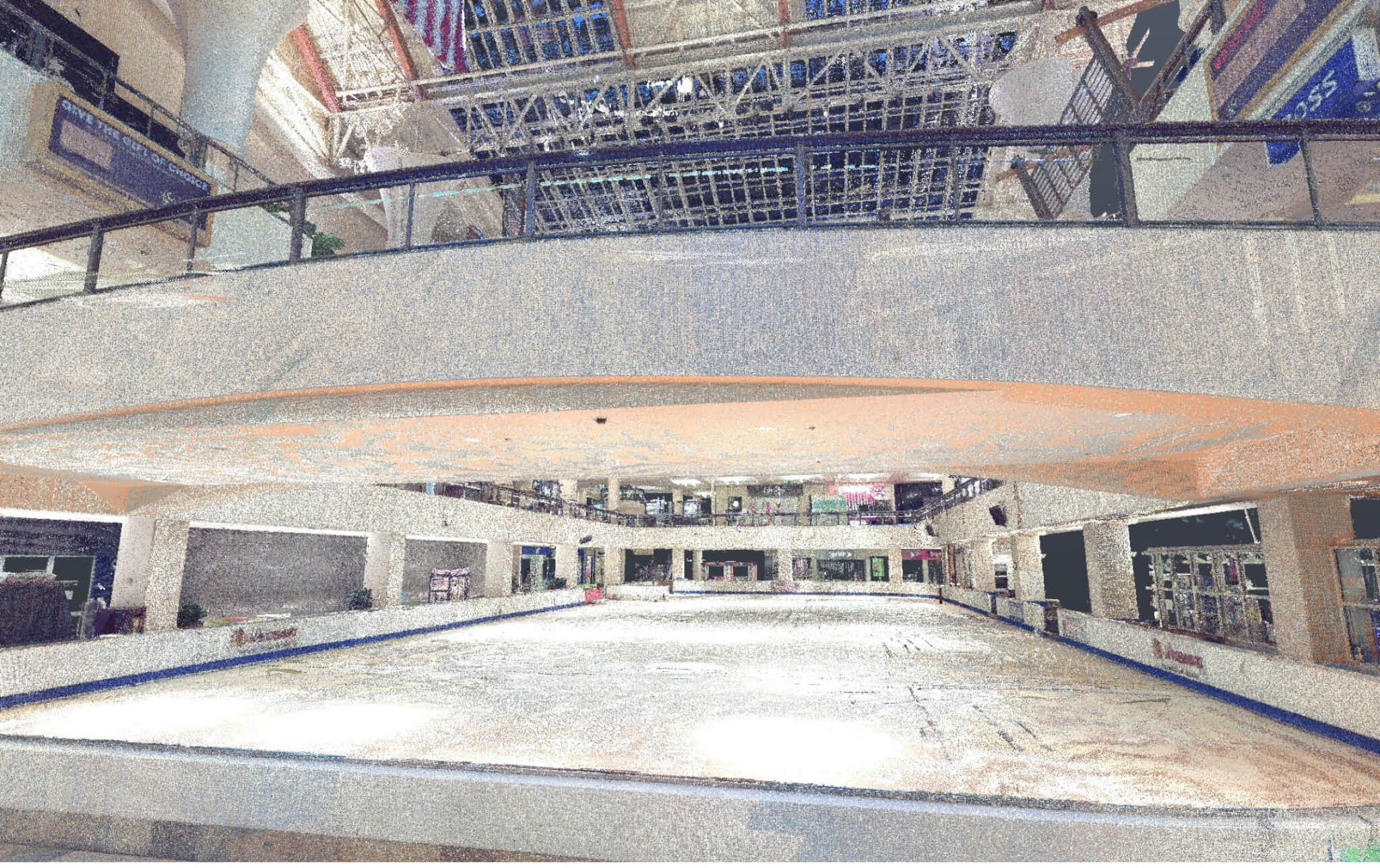
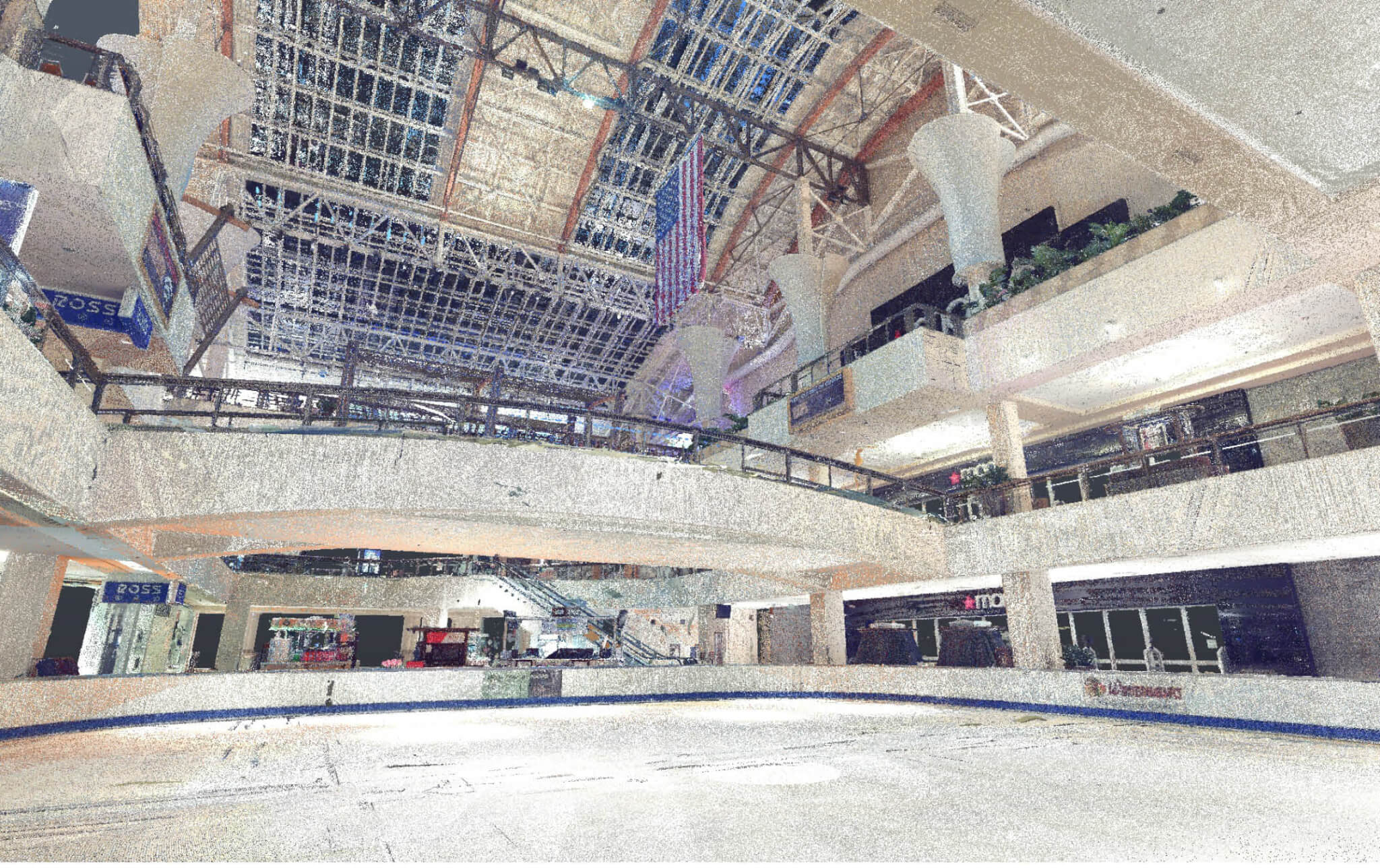
The iconic Lloyd Center, Portland’s first major shopping mall, is now defunct but it holds a special place in the hearts of many Oregonians. After 66 years of operation, Lloyd Center officially closed in August 2026. In its heyday, Lloyd Center welcomed famous visitors like Ella Fitzgerald, Louis Armstrong, Vice President Richard Nixon and Robert F. Kennedy. Olympian Tonya Harding trained at the mall’s interior ice rink.
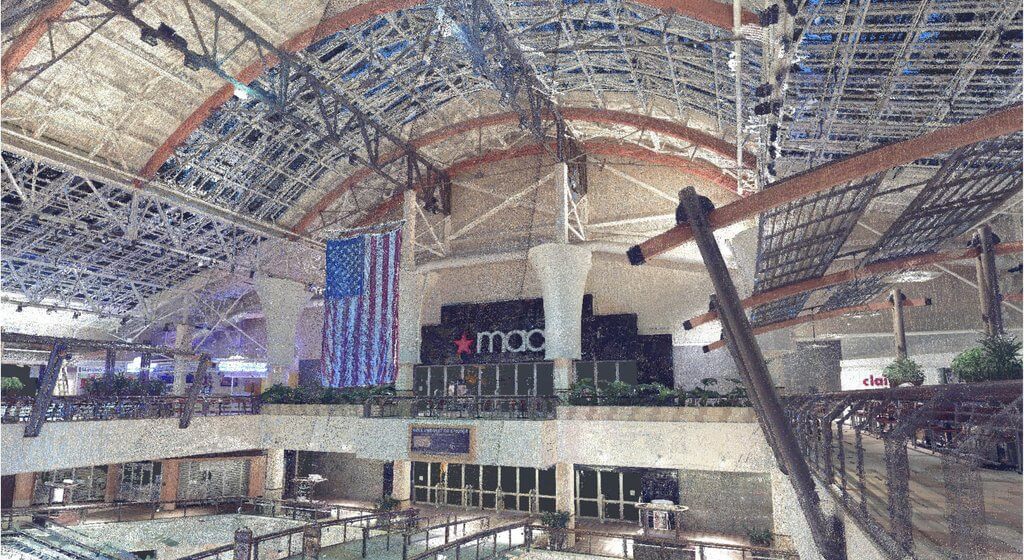
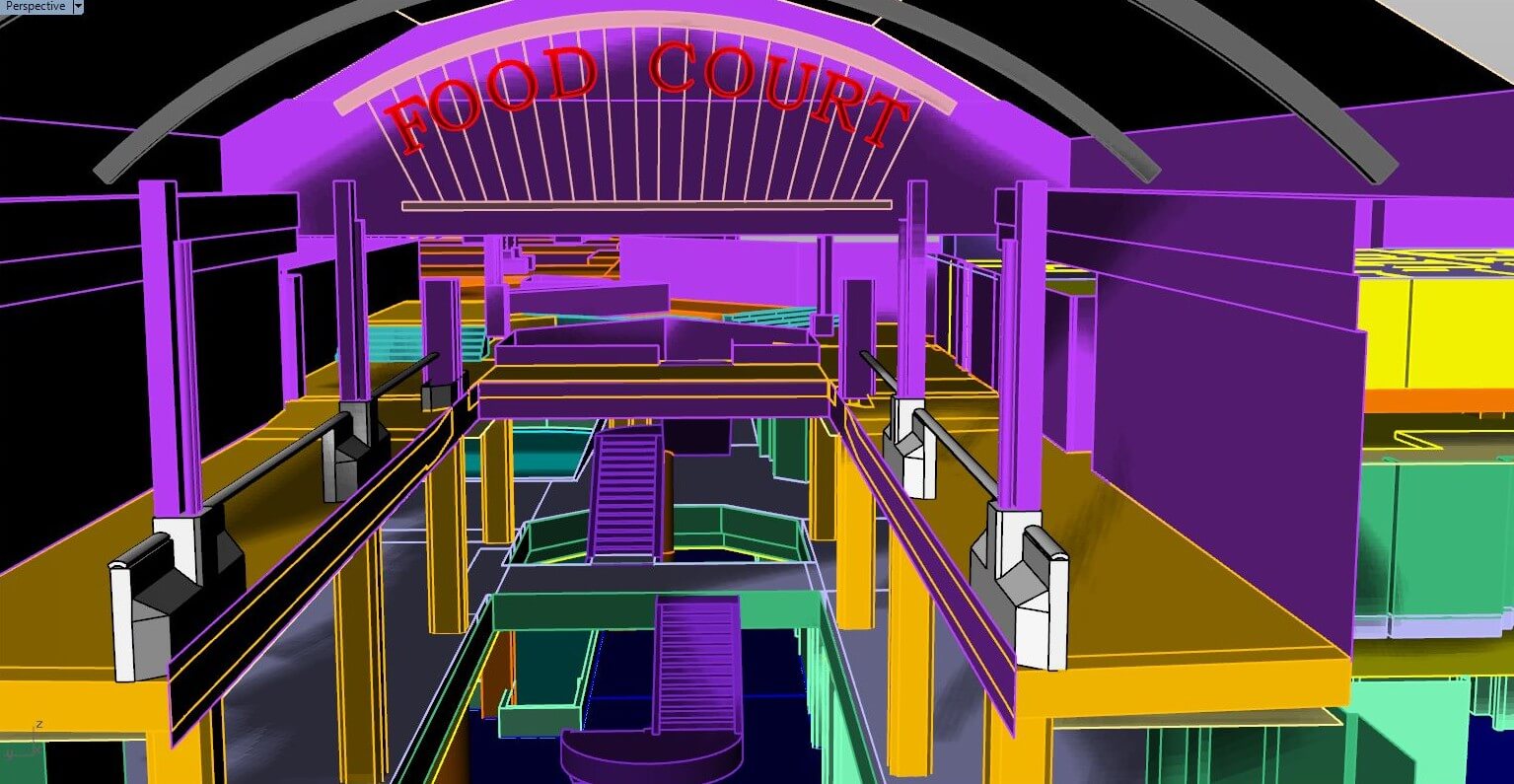
Opened in 1960 with great fanfare (with then Governor Mark Hatfield overseeing the ceremonies) Lloyd Center was the largest shopping center in the Pacific Northwest, and cost an eye popping $100 million (the equivalent of over $1 billion dollars today). Over the next 60 years, Lloyd Center would become iconic as a much more than a place to shop. Along with our fellow Portlanders, our team has been reflecting on the lasting impact of this landmark mall. We are proud of our role providing surveying and laser scanning services for Lloyd Center several times over the years. In 2014, our scanning team was asked to create a comprehensive 3D computer model of the interior to be used for a comprehensive redevelopment and upgrade project.
Westlake’s 3D laser scanning expert, Jerry Dawson, lead our team which scanned the interior in 2014.
“Since 2014, 3D laser scanning has shifted from slow, terrestrial setups to high-speed, dynamic reality capture. Back in 2014, scanning a massive facility like Lloyd Center required setting up static tripods, waiting 4 minutes per scan position (6 minutes if full color), and spending significant time manually target-matching and registering raw files.
Today, the industry relies heavily on mobile SLAM (Simultaneous Localization and Mapping) scanners—such as wearable backpacks, handheld units, and mobile carts—that allow operators to continuously capture spaces simply by walking through them. Modern static scanners have also evolved dramatically; automatically pre-register scans in real-time on-site and capture HDR imagery in under 30 seconds. Furthermore, cloud-based automatic processing, AI-driven feature recognition (which automatically categorizes point clouds into walls, pipes, and beams), and consumer-grade LiDAR integration have drastically reduced turnaround times and made reality capture far more accessible.”
More Lloyd Center History
For more a little more history, you can check out these archival photos of the 1960 construction, the much-loved ice rink, and the fountain sculptures created by eminent artist George Tsutakawa. Photos courtesy of The Oregon Historical Society.